Understanding classroom kits
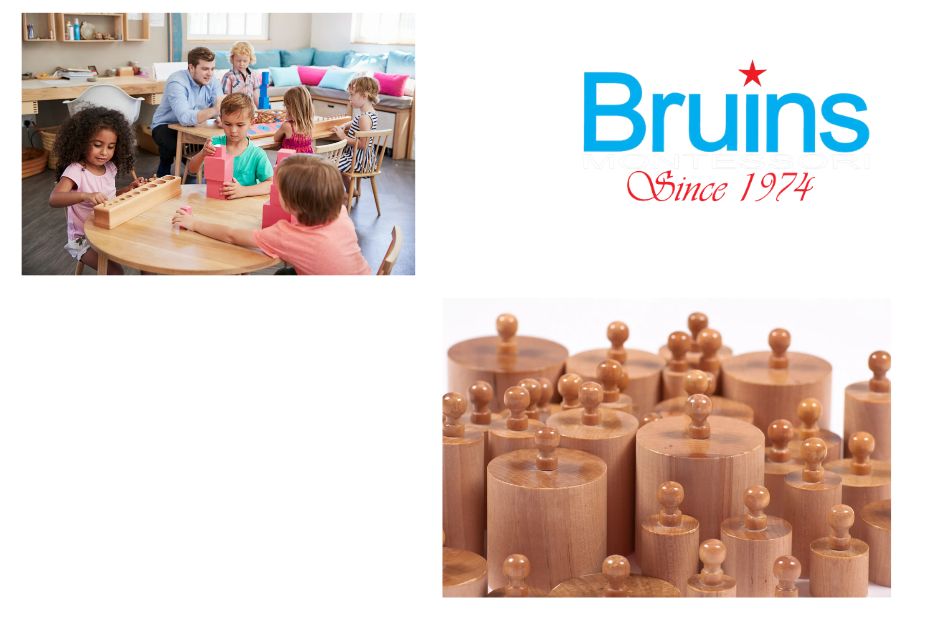
Educators seek durable, age appropriate resources that inspire hands on discovery while aligning with Montessori principles. The right selection supports independent activity, concentration and purposeful movement. When evaluating materials, consider quality of wood or responsibly sourced plastics, ease of cleaning and safety features such as Montessori educational materials rounded edges and non toxic finishes. A well planned set offers a range from practical life to sensorial tasks, inviting children to practise real world skills, develop fine motor control and sustain focus through self directed exploration.
Age appropriate material sets
A thoughtful collection recognises developmental stages and offers scalable challenges. From simple tasks like pouring and buttoning to more complex sorting activities, the items should invite repeated engagement without overwhelming Montessori furnitres USA the learner. Clear, tactile cues and consistent organisation help children identify purpose, follow sequences and build a confident sense of autonomy within the prepared environment.
Practical considerations for a safe space
Safety and sustainability are paramount when selecting items for a Montessori inspired room. Choose materials with smooth finishes, non toxic paints and compliant labelling. Storage solutions should promote order, minimise distraction and enable easy access. The layout should respect distance between stations and allow caregivers to observe without interrupting the learner’s flow.
Montessori furnitres USA
Montessori furnitres USA is a critical element when planning a classroom or home learning corner. The right furniture supports posture, reach, and comfort, encouraging children to engage deeply with activities and maintain concentration for extended periods. It is important to verify dimensions, stability and modular capability to adapt as learners grow and classrooms evolve over time.
Implementation strategies for lasting impact
Adopt a cyclical approach with rotating materials to refresh interest while preserving familiarity. Document how learners interact with each item, observe trends in choice, and adjust the assortment to balance challenge with achievable success. Regularly revisiting the environment helps sustain motivation, reinforce routines and cultivate a steady enthusiasm for independent learning.
Conclusion
As you refine your setup, reflect on how materials invite exploration and sustained attention. The goal is a calm, purposeful space where children gradually take ownership of their learning, underpinned by quality, thoughtfully chosen resources. Bruins Montessori USA Inc