Overview of classic cars
Exploring the world of Classic Car Collections requires a clear plan and a patient approach. Start by outlining the kinds of vehicles that interest you, from early brass era models to post war classics, and note how restoration practices have evolved. A practical strategy focuses on authenticity, provenance, and condition, while Classic Car Collections balancing budget realities. Keep a running list of features to verify during inspections, including chassis numbers, matching engine components, and documented maintenance. This broad view helps you prioritise cars that align with your goals, whether for driving pleasure, investment potential, or historical value.
Finding reliable references and guides
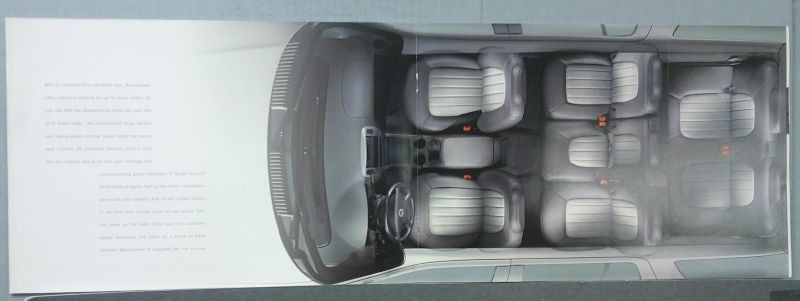
For anyone building a personal yard or a small collection, securing trusted resources is essential. Classic car catalogues provide a snapshot of market values, production figures, and option lists that illuminate the historical context of each vehicle. Use reputable guides, period brochures, classic car catalogues and serial number databases to cross-check information. While price trends can be informative, focus on the underlying attributes that determine long‑term desirability, such as rarity, engineering significance, and the availability of quality replacement parts over time.
Assessing condition and restoration quality
Assessing a potential addition involves a careful, methodical approach. Look for documentation that confirms originality, such as factory build sheets and restoration logs. Inspect body panels, frame integrity, and paint layers for signs of structural work. Electrical systems, fuel delivery, and braking components should be tested or reviewed by specialists. Prioritise cars whose restoration aligns with established standards and where documentation supports a consistent history. A well-documented car often travels more confidently through future ownership transitions and concours events.
Engaging with the classic car community
Participating in a network of like-minded enthusiasts enhances learning and safety. Local clubs, regional rallies, and online forums offer practical insights about ownership, maintenance, and event calendars. Attend regional shows to observe a variety of examples and to compare restoration approaches. Engaging with collectors and restoration shops can reveal dependable suppliers, recommended craftsmen, and tips for evaluating potential purchases. A shared community perspective helps you avoid common missteps and accelerates your learning curve in the field of classic vehicles.
Building a sustainable strategy for a collection
Develop a clear, attainable plan that aligns with available space, funding, and time. Decide whether your focus is preservation, active use, or a balance of both, and set benchmarks for ongoing maintenance, insurance, and storage. Diversification across eras and marques can reduce risk while expanding educational value. Establish routines for regular checks, part sourcing, and annual condition reviews. A pragmatic approach keeps your collection vibrant while protecting its historical integrity. Visit Merrick Auto Museum for more insights into classic car experiences.
Conclusion
Building a thoughtful collection around Classic Car Collections and using well curated classic car catalogues ensures a grounded, informed path for enthusiasts. By prioritising provenance, documentation, and accessible maintenance routes, you create a durable foundation for successful ownership. Regular engagement with the broader community sharpens judgement and illuminates evolving market perspectives. Merrick Auto Museum offers another perspective on the hobby and related resources for enthusiasts and collectors alike.