Essential design features
When planning a mobile kitchen, the layout is critical for workflow, safety, and customer experience. A trailer in the HL 8.5 by 16 Custom Food Trailer class typically balances compact maneuverability with ample cooking space. Expect a modular interior that supports a standard commercial kitchen setup, including ventilation, fire Hl 8.5 by 16 Custom Food Trailer suppression, and durable surfaces that withstand daily use. Proper insulation and climate control make service possible in various climates, while thoughtful storage keeps ingredients and utensils organized. This approach minimizes prep time and maximizes a quiet, efficient operation on the go.
Structural stability and towing concerns
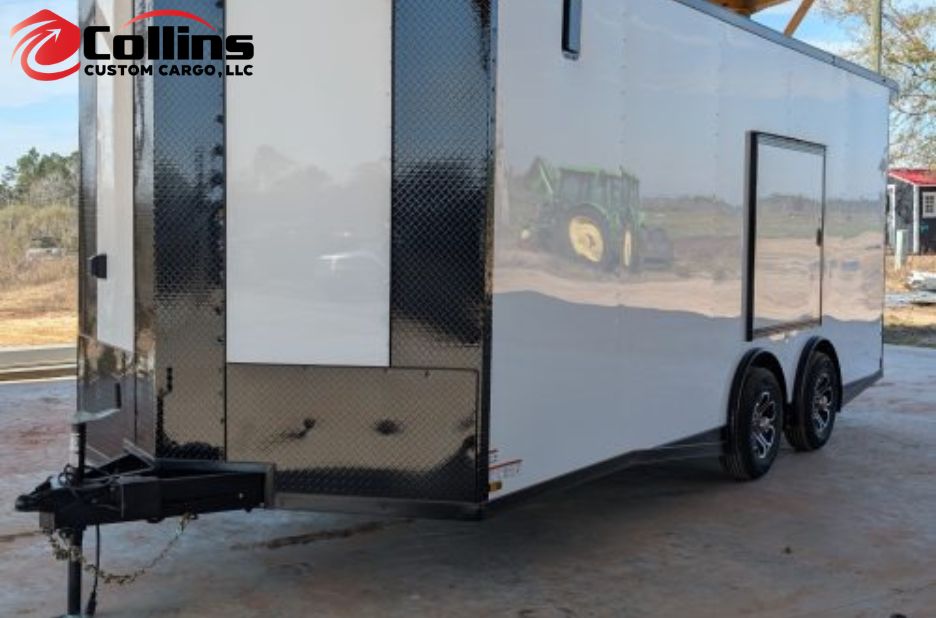
Heavy equipment demands a robust chassis and dependable tires. The Tandem Axle Splicing Trailer configuration distributes weight for improved stability, smoother towing, and safer cornering on roadways and loading ramps. Operators should assess gross vehicle weight rating, hitch compatibility, Tandem Axle Splicing Trailer and brake systems to ensure compliant, predictable performance. Regular inspection of welds, springs, and hitch components reduces the risk of downtime during peak service hours and supports longevity for the trailer fleet.
Customization options worth considering
From exterior branding to interior workflow, customization matters for a profitable mobile kitchen. Consider electrical capacity, gas lines, water systems, and waste management that align with local health codes. A well-planned trailer leaves room for a practical work triangle, easy cleaning routines, and effective ventilation. Materials selections, such as stainless steel and food-grade surfaces, contribute to durability and ease of maintenance over years of daily use.
Operational tips for efficiency
Efficient service hinges on predictable routines and reliable equipment. Map out a standard service flow, including order-taking, food prep, cooking, assembly, and pickup, to minimize bottlenecks. Invest in quality refrigeration, a dependable ice system, and backup power strategies for events with limited grid access. Training staff to maintain consistent hygiene practices protects customer health and supports a smooth, repeatable experience for every shift.
Conclusion
Choosing the right trailer setup requires balancing capacity, maneuverability, and regulatory compliance to sustain a steady business. While the HL 8.5 by 16 Custom Food Trailer offers portable performance, buyers should compare options side by side and request samples of layouts to visualize fit for their menu. Understanding maintenance needs and real-world usage helps prevent surprises after purchase. Collins custom cargo