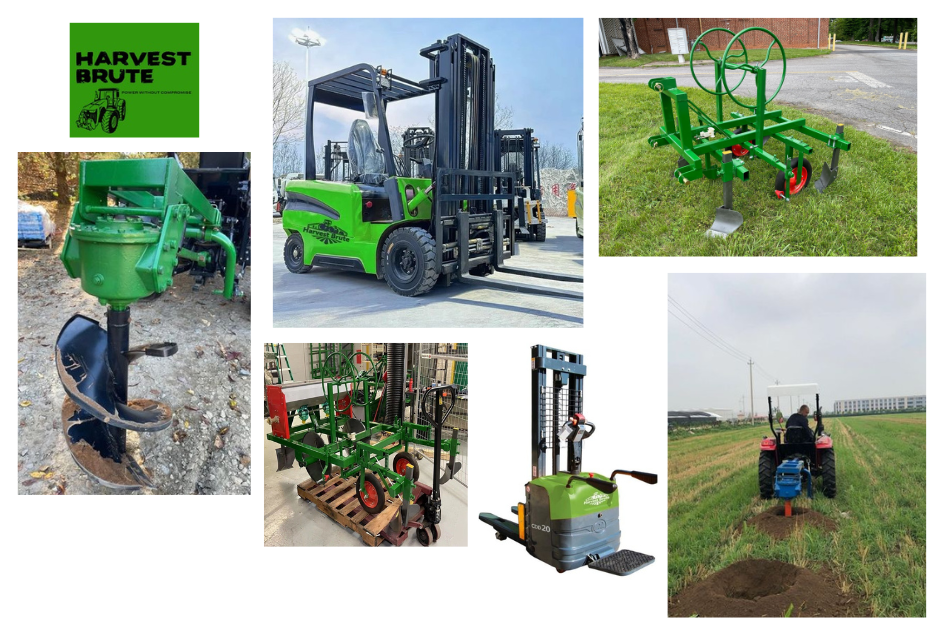
Overview of field compatible harvesters
Farmers selecting machinery for root crop harvesting focus on reliability, uptime, and ease of maintenance. Modern machines are designed to minimize soil disturbance while handling tubers with care to reduce bruising and yield loss. Operators value straightforward controls, clear visibility, and robust root crop harvester build quality that can stand up to rough field conditions. From simple pull-type units to advanced mechanical harvesters, the goal is to streamline the harvest sequence and reduce manual labor without compromising throughput or crop quality.
Key features and work flow
Harvesting efficiency hinges on early harvest timing, ground condition assessment, and precise cutting or lifting action. A well-coordinated system collects the crop from the bed, separates dirt, and deposits the produce into bins or wagons. Modern designs emphasize ground clearance, adjustable wheels or tracks, and adaptable intake headers to handle varying soil types and bed heights. Informed operators tune speed, rotor pressure, and cleaning settings for optimal results.
Performance considerations in the field
Durability and serviceability are decisive factors when selecting equipment for root markets. Machines with modular components reduce downtime, and service intervals are clearer with diagnostic displays. Crop handling sections should minimize damage while handling high tonnages, and engineers often optimize gearboxes, bearings, and drive lines to resist wear. The best models perform consistently across a range of soils, moisture levels, and field layouts, improving daily productivity.
Operational tips for safeguarding yield
Before heading to the fields, calibrate the harvester to the target tuber shape and size, inspect guards and shielding for wear, and ensure the collection system is free of obstructions. During operation, maintain steady traction, monitor soil compaction, and avoid aggressive passes that could gouge beds or compact rows. After harvest, clean components, inspect belts for wear, and perform a quick check of hydraulic lines to prevent age-related failures, ensuring readiness for the next cycle.
Conclusion
Choosing the right equipment for root crops involves balancing capacity, durability, and operability under diverse field conditions. When planning a season, a clear maintenance routine and user-friendly controls help keep downtime to a minimum and crop quality high. Harvest Brute