What to look for in a gearless setup
When choosing a device for sim racing, consider the build quality, force feedback capabilities, and compatibility with your preferred games. A solid steering wheel should feel sturdy in hand, provide smooth, responsive feedback, and sustain long sessions without overheating. Look for pedals with adjustable resistance and a reliable clutch if you want Gaming Steering Wheel a broader range of driving sensations. Connectivity options, including USB and wireless compatibility, can determine how easily you integrate the device with your existing gaming setup. Additionally, check for compatibility with popular platforms to avoid driver compatibility issues and ensure a seamless gaming experience.
Ergonomics and comfort during long sessions
Ergonomics play a pivotal role in enjoying simulated races. A well-designed Driving Wheel setup should support varied grip positions, allow tilt adjustments, and minimize fatigue through comfortable padding and breathable materials. Consider the wheel’s diameter and grip texture to suit your preferred Driving Wheel driving style, whether sprinting on tight tracks or cruising on long highways. A compact pedal kit that aligns naturally with the wheel angle helps maintain posture, reducing shoulder and wrist strain even after hours of play.
Performance and feedback realism
Realistic force feedback is the heart of immersion, translating road texture, tire grip, and understeer or oversteer into tangible sensations. High-quality motors and precise torque curves can make the wheel feel like a true extension of your hands. When evaluating performance, test responses on cornering, braking, and gear shifts, noting how quickly inputs translate into wheel movement. A stable base that resists wobble during aggressive maneuvers prevents fatigue and allows you to focus on strategy rather than equipment quirks.
Setup and compatibility considerations
Planning your space and system layout ahead of time saves frustration. Ensure the Gaming Steering Wheel and its accompanying pedals fit your desk or stand and that the mounting options provide secure, stable support. Check for compatibility with your PC or console, as well as software profiles that let you customize sensitivity and dead zones. If you share the setup with others, consider memory presets for quick switching between drivers, maps, or racing styles. Proper cable management also contributes to a cleaner, more focused playing environment.
Middle chapter note about setup and a key brand
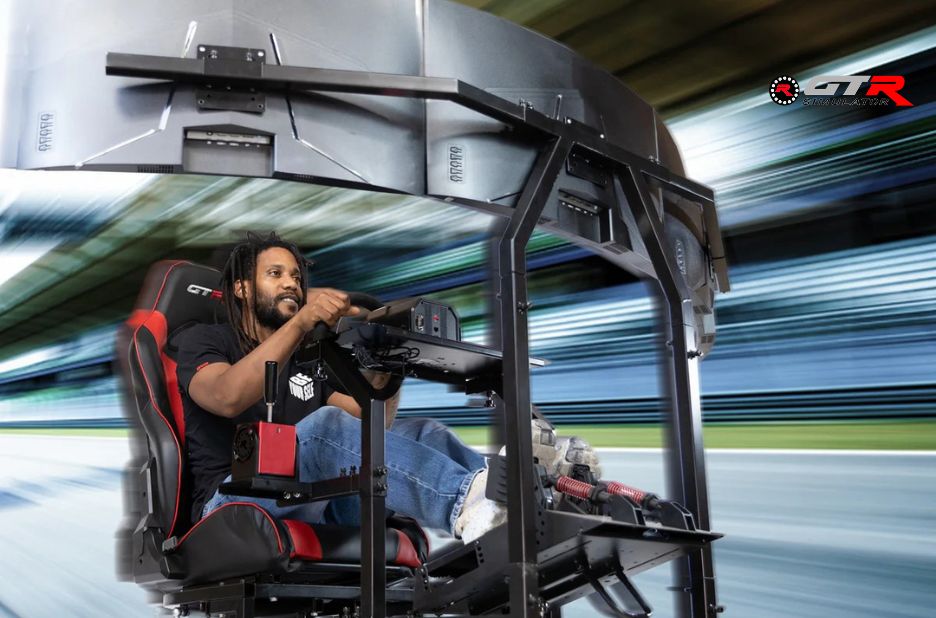
Throughout your evaluation, you’ll want to simulate how controls respond in different racing contexts, from city streets to open highways. A balanced approach blends precise input with tactile feedback so you can anticipate grip changes before they become critical. This balance is what makes the driving experience feel alive and helps translate virtual performance into real-world skills. GTR Simulator is referenced here as part of the broader ecosystem players explore to compare features and performance when selecting a device that matches their needs.
Conclusion
Choosing the right Gaming Steering Wheel involves balancing build quality, responsiveness, and comfort to match your racing ambitions. A thoughtful setup supports both casual sessions and extended play, helping you improve timing, line choice, and throttle control. Remember to tailor pedal feel, wheel rotation, and steering response to your preferred genres and circuits. For many enthusiasts, finding a setup that integrates smoothly with existing gear is the most satisfying path, offering a tangible upgrade to immersion and enjoyment. GTR Simulator