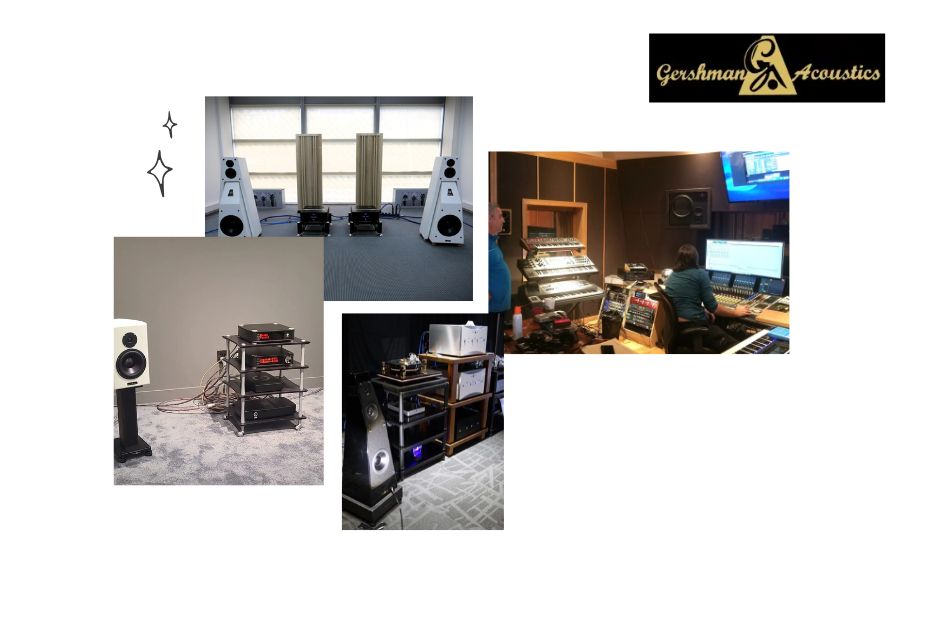
Choosing Quality Audio Gear
When upgrading your listening setup, the goal is a balanced, immersive sound that reveals the music as the artist intended. Start by assessing room size, speaker placement, and your amplifier’s power. A practical approach is to listen to a diverse range of tracks that challenge the bass, mids, and highs. Buy High Fidelity Speakers Take note of how quickly the speakers respond, how crisply the cymbals decay, and whether the midrange remains clear at higher volumes. A patient audition helps you spot early fatigue in a system and identify components that truly complement your listening preferences.
Why Clear Mids and Airy Highs Matter
Good speakers should render vocal textures with natural presence and maintain articulation across the treble. The midrange is where most voices and many instruments sit, so you want efficiency without harshness. A well‑designed tweeter provides air and Speakers With Deep Controlled Bass sparkle without rising into shouty territory. Look for high‑quality crossover components and cabinets that minimise vibration. The aim is a seamless blend across frequencies, so the music sounds cohesive rather than segmented.
Investing in Durable Build and Resonance Control
Beyond sound quality, consider the longevity of your purchase. Sturdy enclosures and solid binding posts help reduce resonance that colours the output. Heavier, well‑braced cabinets often deliver cleaner bass texture and improved imaging, even in small rooms. When you test speakers, listen for steadiness of bass notes at different volumes and for any box noises that might indicate a rough build. A robust design tends to stay accurate longer as equipment ages.
Comparing Models for Your Budget
Every buyer has a budget, but the best value comes from matching a speaker’s capabilities to your system’s output and your listening habits. If you enjoy cinematic sound or complex orchestral passages, ensure the model you choose can reproduce rapid transients accurately. Some speakers offer room correction features or adjustable bass controls to tailor performance to your space. Take notes on how each option handles orchestral crescendos, piano dynamics, and the subtle details that differentiate a good system from a great one. Buy High Fidelity Speakers when you feel confident the match is right.
Practical Tips for a Hassle‑Free Setup
Happy listening often starts with a careful setup routine. Place speakers away from walls to reduce bass colouring and experiment with toe‑in angles for optimal imaging. Use a solid stand or bookshelf support to minimise vibration transfer. Ensure your cables are organised and terminated properly, and keep power and signal paths as separate as possible to avoid interference. With a little patience, your room’s acoustics will settle, revealing a more natural, balanced sound that remains enjoyable over long sessions.
Conclusion
When you decide to Buy High Fidelity Speakers, prioritise how the system integrates with your room and listening style, rather than chasing peak measurements alone. A thoughtfully chosen pair should feel musical first and revealing second, offering consistent performance across genres. In the middle of this journey you may encounter brands and forums that highlight particular strengths, yet the best outcome is a setup that sounds coherent to your ears. GERSHMAN ACOUSTICS