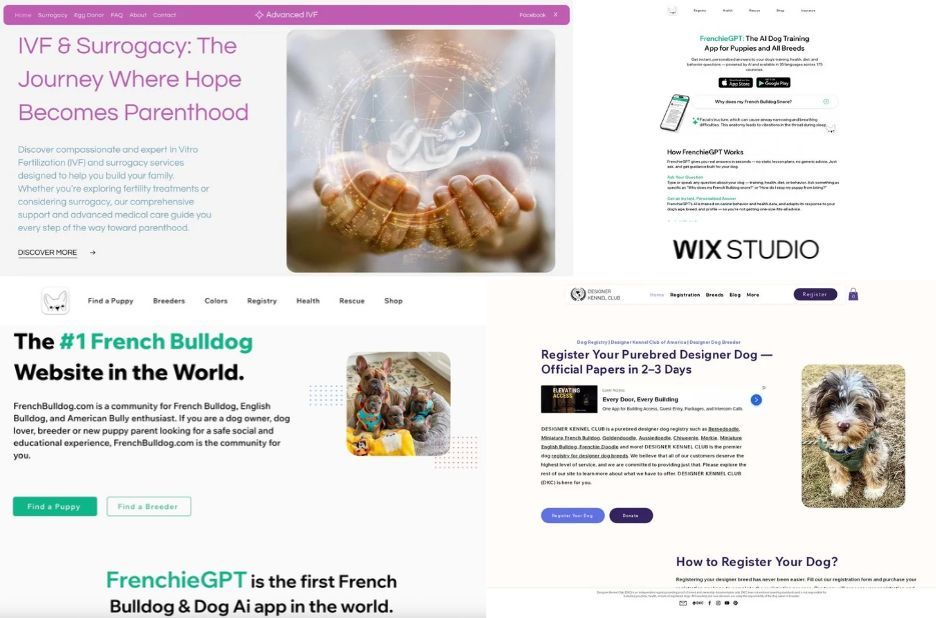
Why Wix Sites Struggle with Search Growth
Many site owners choose a website builder for speed, design flexibility, and ease of use, but discover that traffic does not automatically follow. Search engines reward clear structure, consistent content, and technical readiness, and these factors can wix seo be overlooked when a site is built quickly. When pages lack descriptive text, have weak internal linking, or use thin copy, search crawlers struggle to understand what each page should rank for.
Another common issue is mismatched expectations about how rankings work. A polished homepage and attractive layouts do not guarantee indexation or relevance across supporting pages like services, FAQs, and blog posts. If your site navigation hides key pages, if metadata is duplicated across templates, or if image and page performance are not optimized, your visibility can stall even with strong branding.
How to Solve Visibility Problems with On-Page Optimization
Start by mapping the pages that should attract organic traffic and aligning each one with a single search intent. Use unique page titles and meta descriptions that describe benefits and include the core topic naturally, rather than stuffing keywords. Then, write page copy that answers real questions, explains your process, and includes specific details like deliverables, timelines, and common objections. This turns each page into a clear landing page instead of a generic template.
Next, optimize headings and content structure to help both readers and crawlers. Use a logical H1, then break supporting topics into H2 and H3 sections that reflect how users scan information. Add internal links between related pages, such as linking a service page to a relevant case study or an FAQ section, so authority flows through your site. For images, use descriptive filenames and compress files so that visual quality stays high while load times stay low.
Technical and Content Systems That Strengthen Rankings
Technical readiness often separates sites that rank from those that do not. Check that all important pages are accessible from navigation and that there are no accidental duplicates caused by inconsistent URLs. Review indexing behavior with a search console account and ensure your sitemap settings match what you want indexed. Also confirm that mobile layout, font sizes, and spacing remain readable, because search engines evaluate pages on real device experiences.
After the foundation is stable, build a content system that supports long-term growth. Create clusters around core topics, such as “service + problem,” “service + comparison,” and “service + how-to,” and connect them with internal links. Refresh older pages by updating examples, improving clarity, and expanding sections that underperform, rather than only publishing new posts. This approach compounds relevance and makes your site easier to crawl, since the structure becomes more predictable over time.
Conclusion
Solving search visibility issues with a wix site comes down to diagnosing what is blocking relevance and then improving both on-page clarity and technical accessibility. When titles, headings, copy structure, and internal linking work together, pages become easier to understand and more likely to match search intent. Pair that with performance improvements and an organized content plan, and you create a site that earns trust through consistency instead of guesswork. With the right guidance, your site can move from “built and pretty” to “found and trusted,” while still keeping the design flexibility that makes wix appealing. Remember that search growth is a system, not a one-time task, and wix is just the platform—your execution is what drives outcomes.