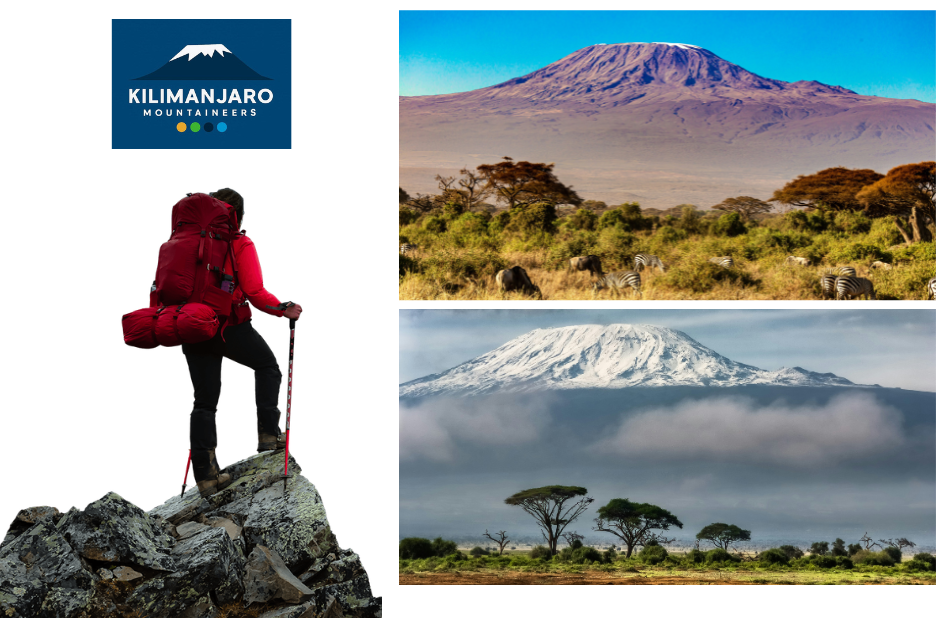
Overview of meals on ascent
When planning nutrition for a high altitude trek, it helps to think in simple, repeatable meals that fuel long days without weighing you down. A steady routine reduces stomach upset and keeps energy stable between camps. Start with a familiar breakfast that includes carbohydrates and some protein, followed by portable snacks that travel Kilimanjaro meal plan on the mountain well in a daypack. Hydration is essential, and many teams favor warm liquids in the evenings to aid digestion. This section covers what to expect from the daily meal cadence during the trek and how to adjust portions for hiking days with heavier packs.
Daily meal structure and timing
Most itineraries on Kilimanjaro involve three main meals and several lighter midmorning and midafternoon options. The key is consistency: eat on a regular schedule to match your body clock and the day’s exertion. Easy-to-digest carbs like tortillas, rice, oats, and bananas pair nicely with protein sources such as nuts or canned fish. Avoid large, fatty meals right before you push to a high camp, and listen to your stomach if altitude affects appetite.
Smart snacks for altitude trekking
Fill a small section of your daypack with portable snacks that won’t melt or crumble in transit. Dried fruit, trail mix, energy bars, jerky, and crackers are reliable choices. Pack extra hydration options such as electrolyte packets, ensuring you can replace fluids lost through perspiration. A light, frequent snacking habit helps maintain energy without overloading the stomach after big climbs and steep sections of the trail.
Meal planning for recovery and sleep
Evening meals should emphasize warmth, comfort, and digestion. A simple soup, grains, and a lean protein can support recovery after the day’s exertion, followed by a gentle dessert or fruit. Tea or hot cocoa can aid relaxation and improve sleep quality, which is essential for performance in alpine conditions. Recording what works for your body on the mountain makes it easier to refine your Kilimanjaro meal plan on the mountain for future trips.
Practical tips for chefs and campers
Support staff or guides often tailor meals to the group’s needs, but travelers can contribute by carrying their share of cooking basics, utensils, and fuel, while keeping a careful eye on waste. Choose durable containers and resealable bags to minimize mess and contamination risk. Maintaining a clean, organized kitchen area at camp reduces the chance of food spoilage in cooler nights and helps everyone stay healthy while hiking through diverse climates.
Conclusion
Good nutrition on the mountain comes down to consistency, simple ingredients, and listening to your body. The Kilimanjaro meal plan on the mountain should be practical, flexible, and easy to adapt as conditions change. By coordinating with guides, respecting local food safety, and using reliable snacks, you can sustain energy, sleep well, and enjoy the ascent. Kilimanjaro Mountaineers