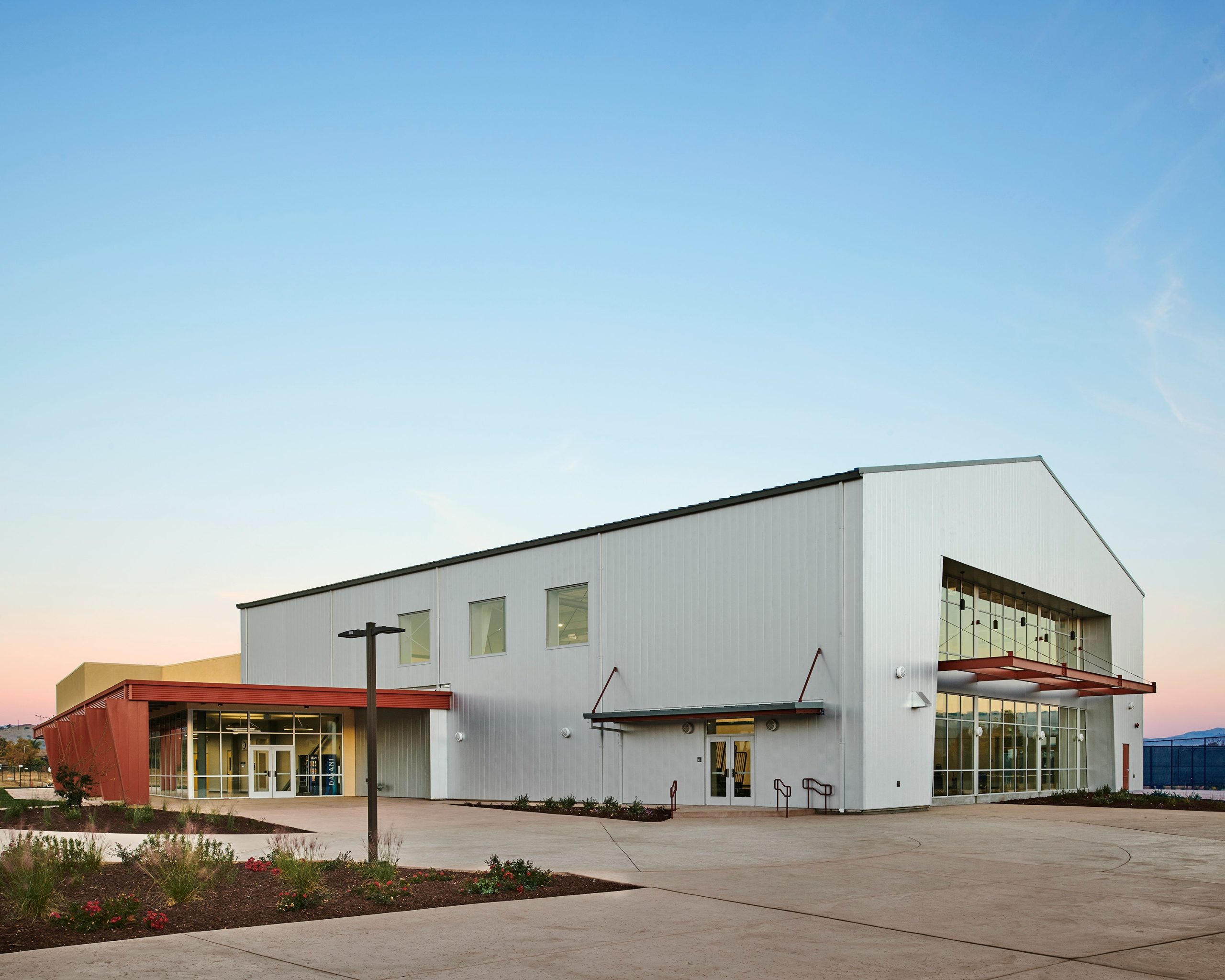
Overview of the craft
Structural steel fabrication sits at the core of modern construction, turning raw steel sections into robust components that support buildings, bridges, and industrial spaces. The process blends design interpretation with precise cutting, forming, and assembly, ensuring compatibility with architectural intent and safety standards. Stakeholders rely on careful planning, accurate drawings, Structural steel fabrication and quality control to manage tolerances, corrosion protection, and connection detailing. A practical approach to fabrication emphasises material science as well as shop floor discipline, enabling teams to predict fabrication times, minimise waste, and deliver reliable performance across varying loads and environments.
Planning and design considerations
Successful execution begins with clear specifications and collaboration between engineers, fabricators, and clients. Early discussions cover material grades, coating requirements, and fabrication sequences, aligning the project timeline with procurement realities. Detailing the sequence of operations helps reduce Steel workshop kits rework and supports lead-time awareness. Adopting modular planning strategies can simplify on site assembly, while maintaining strict adherence to codes and standards that dictate welding procedures, bolt tensions, and inspection regimes.
Welding and joining methods
Welding and bolted connections form the backbone of structural integrity. Choosing the right technique—shielded metal arc welding, gas tungsten arc welding, or flux-cored methods—depends on material thickness, access, and fatigue considerations. Fabricators must balance speed with quality, employing preheating, controlled cooling, and post-weld treatments to minimise residual stresses. Proper joint design and alignment are essential to achieve strong, durable links that withstand dynamic loading, seismic demands, and environmental exposure over the structure’s life.
Machining and fabrication techniques
Modern shops rely on a mix of traditional and computer-guided processes. Cutting accurate profiles, bevels, and holes is critical for fit-up, while forming operations shape members to exact radii and angles. Surface finishing, deburring, and protective coatings extend service life and reduce corrosion risk. Digital tools, such as 3D models and automated cutting systems, help ensure dimensional accuracy and improve communication across teams, suppliers, and site personnel, driving efficiency from fabrication through to installation.
Quality control and safety on site
Quality assurance in structural steel fabrication encompasses material traceability, welding procedure specifications, and non-destructive testing to verify weld integrity and alignment. On-site assembly requires careful sequencing, crane planning, and fall protection to protect workers and ensure project milestones are met. Regular inspections and clear documentation support accountability, while risk assessments and safe operating procedures promote a disciplined, safety-first culture across every phase of the build.
Conclusion
Structural steel fabrication is a disciplined blend of design, precision, and collaboration that turns raw metal into dependable infrastructure. A well organised workshop plan, rigorous welding and assembly practices, and proactive quality control enable projects to progress smoothly from concept to completion. For those exploring practical kit options that can support a structured workflow in a steel workshop environment, Steel workshop kits offer ready-to-assemble solutions with clear specifications and scalable potential. Visit Steelkitz for more ideas and guidance.