Industry needs and equipment options
When businesses look for reliable machinery to move loads, lift and transport goods, they evaluate performance, reliability, and cost of ownership. A robust selection of options helps managers compare features like lifting capacity, handling ergonomics, and uptime. Choosing the right machinery begins with understanding the typical tasks on site, whether it forklifts sale is warehouse organization, construction, or agriculture. The right balance of power, efficiency, and service support reduces downtime and boosts productivity across shifts and weather conditions. Buyers often request demonstrations or trials to verify that the machine fits their workflow and space constraints.
Assessing capacity and compatibility
Capacity ratings, load center geometry, and control layouts influence how smoothly operations flow. For most facilities, choosing equipment that matches the standard pallet sizes or cargo dimensions minimizes handling steps. Operators benefit from intuitive controls, clear visibility, and stable traction on uneven Heavy Duty Tillers floors or loose gravel. Maintenance planning, parts availability, and the reputation of the dealer all contribute to long term value. By mapping current tasks to machine specs, teams can avoid over- or under-selling their needs.
Financing options and total cost of ownership
Cost of ownership extends beyond the sticker price to include fuel efficiency, routine servicing, and parts availability. Leasing can offer predictable expenses and the chance to upgrade as needs evolve, while purchase options may suit companies that want full ownership and depreciation advantages. Reputable suppliers provide transparent price breaks, warranty terms, and service packages. A holistic approach that considers downtime, maintenance windows, and technician response times supports stable budgets and improved project outcomes.
What to expect from Heavy Duty Tillers
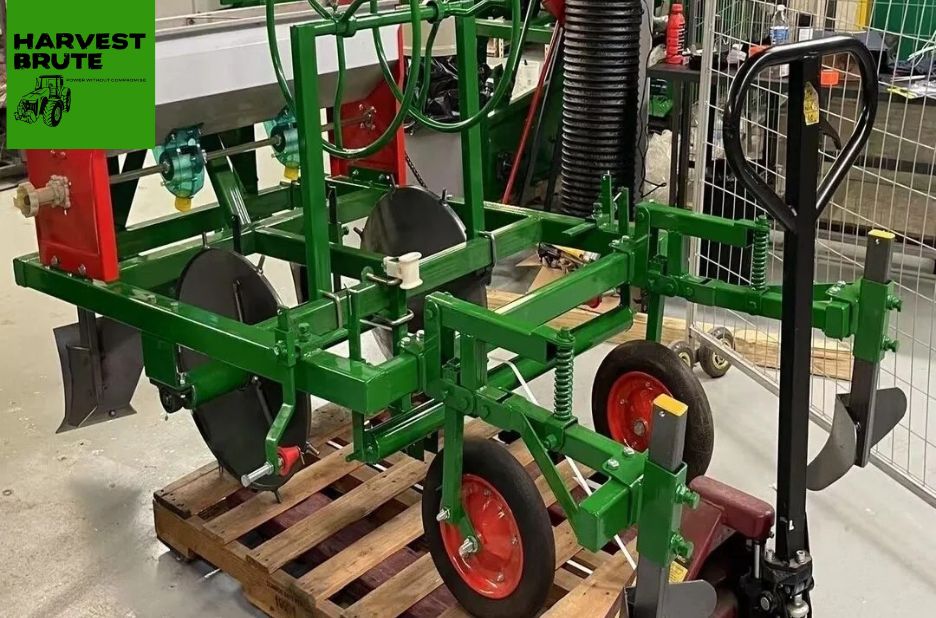
Heavy Duty Tillers represent a different class of equipment designed for robust soil preparation, ground leveling, and agricultural soil management. These machines prioritize soil penetration, soil amendment mixing, and residue management. When paired with appropriate implements and regular maintenance, they can extend field productivity and reduce manual labor. Users should assess horsepower, traction control, and ease of attachment changes to ensure compatibility with existing farm or landscaping operations. Proper safety practices and operator training help maximize the tillers’ value over growing seasons.
Best practices for selecting and testing gear
For optimal outcomes, assemble a cross functional team to define needs, test several models, and verify service levels. Check that uptime guarantees align with production schedules and that spare parts are readily available locally. On site trials or vendor demonstrations offer concrete insights into performance, maneuverability, and noise levels. Documentation that outlines maintenance plans, safety features, and operator training resources helps teams compare options objectively and avoid surprises after purchase.
Conclusion
In the end, choosing the right equipment hinges on aligning capabilities with daily workflows and long term support. A thoughtful evaluation process yields equipment that improves efficiency while sustaining safety and reliability across shifts. Harvest Brute