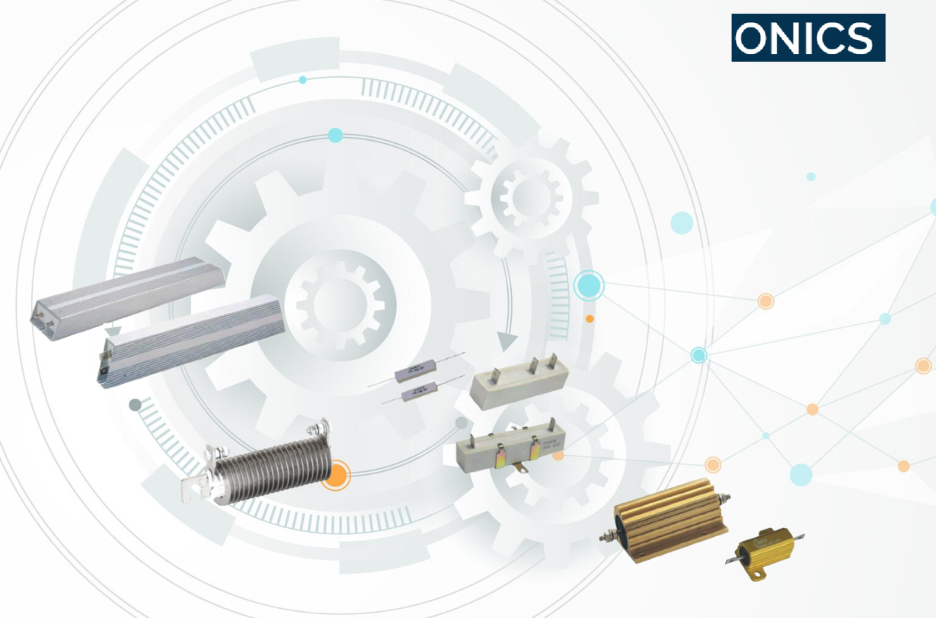
Intro to high power components
In industrial and engineering settings, selecting the right load elements is crucial for reliability and efficiency. The term High Power Wire Grid Resistors refers to robust resistor assemblies designed to dissipate significant heat while maintaining stable resistance under demanding conditions. These devices are integral in power supplies, High Power Wire Grid Resistors braking systems, and test benches where precise energy control is required. When evaluating options, consider impedance range, thermal handling, mounting flexibility, and long‑term stability under fluctuating currents and voltages. A thoughtful choice reduces maintenance needs and extends system life.
Construction and materials used
The core concept behind Coiled Wire Resistors involves wound conductor configurations that optimise heat dispersion and surface area. Coiling allows for distributed resistance along a compact form, which helps manage hot spots in high‑duty cycles. Materials are selected for low temperature rise, Coiled Wire Resistors resistance drift, and compatibility with cooling methods. Many designs incorporate ceramic substrates, metal film elements, or alloy foils to balance electrical performance with mechanical durability. Proper insulation and protective housings further enhance safety in electrical installations.
Thermal management and reliability
Thermal considerations dominate performance in high power applications. Effective heat sinks, forced air cooling, or liquid cooling can substantially extend service life. Tolerances and surge handling are critical, since transients can temporarily push dissipation beyond nominal ratings. Engineers assess derating curves, ambient conditions, and fan redundancy to ensure steady operation. Regular inspection of terminals and mounting hardware helps prevent micro‑cracks, connection resistance changes, or vibration damage over time.
Applications and selection tips
Applications for this class of components span power electronics, audio amplification, and testing rigs where controlled dissipation matters. When selecting, map expected current, duty cycle, and permissible voltage drop. Review datasheets for thermal resistance, maximum operating temperatures, and packaging options that suit your enclosure. Consider how the device will be mounted, cooled, and serviced, as ease of replacement can reduce downtime in production environments.
Maintenance and lifecycle considerations
Routine maintenance focuses on verifying continuity, resistance stability, and mechanical integrity. Periodic checks help detect drift due to ageing, contamination, or thermal cycling. Replacement strategies should align with your maintenance window and spare parts availability. Documenting performance history supports predictive maintenance. As with any high‑power component, keeping a clean, dry environment and avoiding accidental overloading are practical steps to maintain reliability over many years.
Conclusion
In summary, High Power Wire Grid Resistors and Coiled Wire Resistors offer dependable solutions for demanding electrical systems, balancing performance with durability. For best results, assess thermal paths, mounting options, and duty cycles during the design phase, and plan for regular monitoring and timely replacements. Visit Onics power resistor for more insights on similar tools and resources.