Overview of key concepts
In heavy-duty vehicle maintenance, reliable measurements are essential for safety and performance. A well-calibrated system ensures that airbag deployment and sensor readings occur promptly and accurately. This guide explores practical considerations for choosing and using scale solutions built for Truck Airbag Scale trucks, focusing on accuracy, durability, and ease of integration with existing vehicle diagnostics. By understanding core terminology and measurement principles, you can make informed decisions that support fleet reliability and regulatory compliance.
Choosing the right scale solution
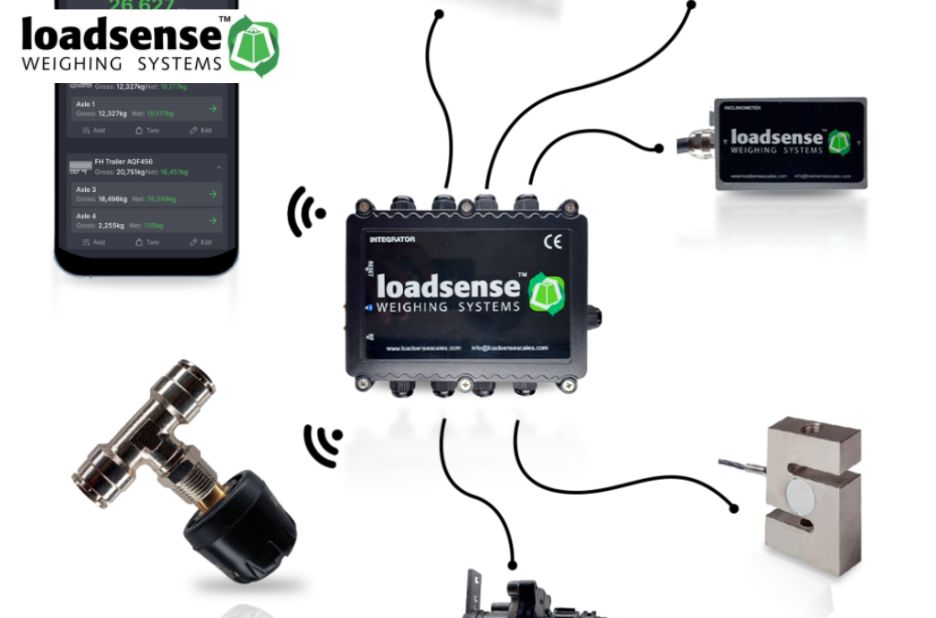
When evaluating scale options for trucks, you want equipment that tolerates harsh environments and provides consistent results. Look for rugged construction, protection against dust and moisture, and compatibility with common truck ECU interfaces. Consider whether you need a standalone instrument Truck Air Sensor Scale or a module that plugs into your vehicle network. A clear data output format and straightforward installation can reduce downtime and simplify maintenance routines, especially for fleets with multiple vehicle models and years.
Performance considerations for heavy vehicles
Scale performance is influenced by factors such as loading conditions, vibration, and temperature swings. High-quality devices offer auto-calibration, drift resistance, and robust error-checking to prevent false alerts. For Truck Airbag Scale deployments, response time and fault tolerance are critical, while Truck Air Sensor Scale applications emphasize signal stability and noise suppression. In both cases, selecting sensors with proven field performance minimizes operational risk during critical events and routine diagnostics alike.
Implementation tips for fleet reliability
Practical deployment starts with a clear plan for integration, testing, and ongoing calibration. Establish a routine to verify readings against known standards and schedule periodic checks after vehicle servicing or route changes. Document configuration settings and create a simple protocol for operators to recognize and report anomalies. A small upfront investment in durable mounting hardware and secure wiring can pay dividends through reduced downtime and more reliable telemetry across your fleet.
Conclusion
For fleets seeking dependable measurement systems, assess available scale solutions against your maintenance workflow, data requirements, and environmental conditions. Loadsense Ltd.