Planning your real estate visuals
In the current market, homeowners and buyers respond to tangible cues. A solid plan for promotional materials includes a cohesive set of printed assets that align with your brand and local market realities. Start by identifying core messages, then map these to print formats such as flyers, brochures, and real estate print marketing window or outdoor signs. Consistency in colours, typography and imagery helps create recognition across channels, so your materials feel like part of a single story rather than disparate pieces. This groundwork supports reliable outcomes across a range of listings and campaigns.
Choosing durable, high impact materials
Durability matters when signs and leaflets are exposed to weather, sun and handling. Selecting sturdy substrates, weather-resistant inks and finishes protects your investment and keeps your brand looking professional. Pair robust materials with clear, custom printed signs legible copy to improve visibility from a distance. In real estate marketing, quality signals trust, encouraging potential clients to engage further rather than discard your materials as disposable clutter.
Creating compelling custom printed signs
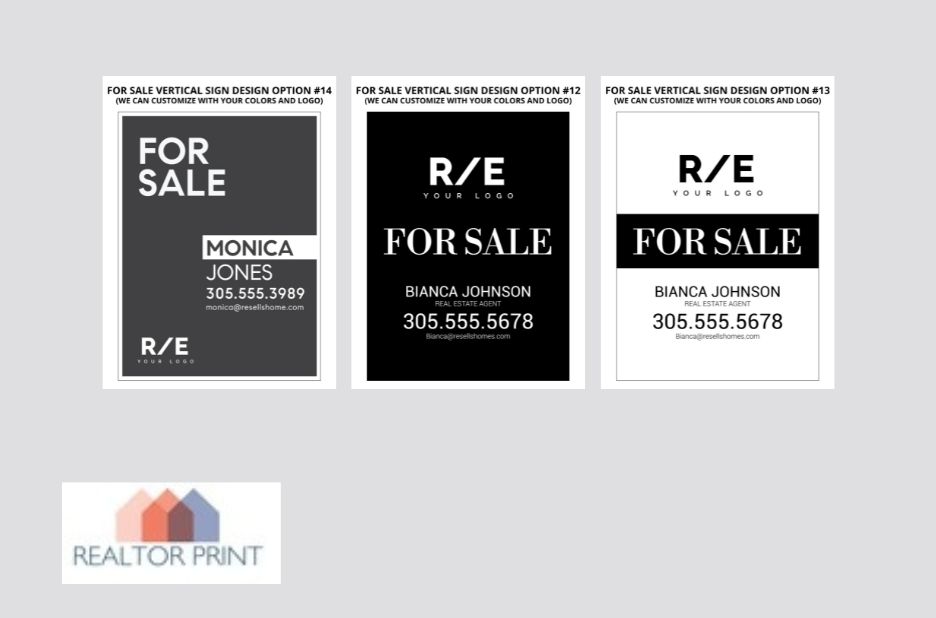
Custom printed signs offer a quick path to local awareness. A well designed sign communicates essentials—property type, price, and contact details—at a glance. Colour blocking and concise wording improve readability while directing eyes toward key information. Use consistent branding elements to reinforce recognisability, ensuring signs perform effectively on busy streets, at open houses, and near property entrances. Your signs should invite inquiry without overwhelming the viewer.
Integrating print with digital outreach
Printed collateral is most powerful when it complements digital strategies. Integrate QR codes, short URLs, and agent contact details that drive traffic to listings and meet buyers where they are. Tracking responses to printed materials helps you refine future campaigns and allocate resources wisely. The best campaigns harmonise online and offline touchpoints so clients experience a seamless journey from first impression to closing the deal.
Budgeting and workflow best practices
Effective budgeting balances design quality with volume. Start with a baseline of core assets—signs, open house invitations, property flyers—and expand as needed for high‑priority listings. Streamline production by keeping a design library with approved templates and brand guidelines, which reduces turnaround times and keeps costs predictable. Regular reviews of performance data ensure your print marketing remains aligned with market dynamics and client expectations.
Conclusion
As you refine your approach to print materials, remember that consistency across formats strengthens your market presence and builds credibility with buyers and sellers alike. The right mix of messaging, high‑quality visuals, and practical distribution can translate into measurable interest and faster deals. Realtor Printing