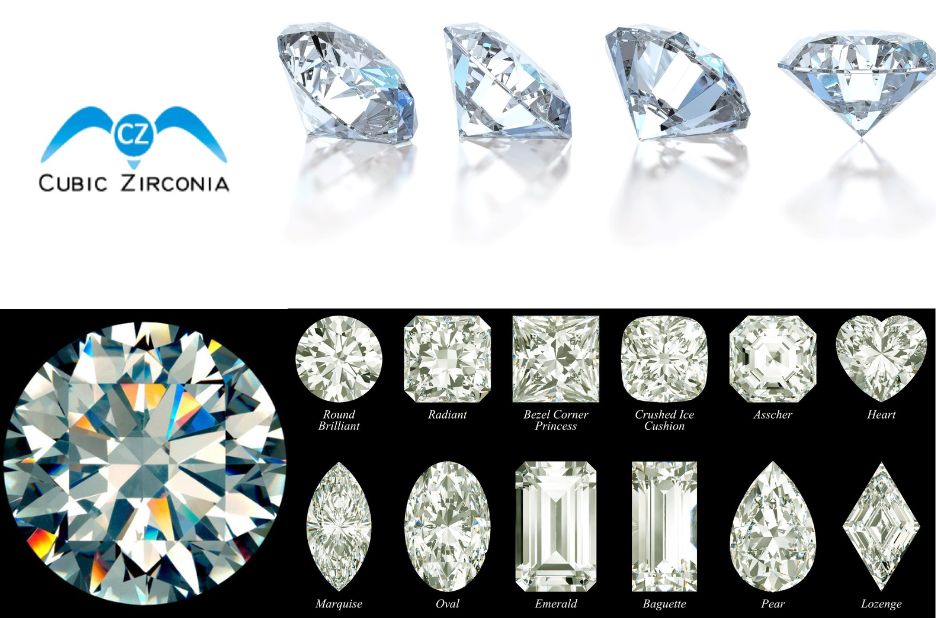
Overview of gemstone sourcing
When selecting a gemstone, many buyers value provenance and ethical sourcing. The term natural gemstone often signals a stone formed without modern lab intervention, offering a sense of age and organic character. However, not all stones marketed as natural are equal; verification of origin, treatment disclosures, and supplier transparency are natural gemstone essential. A practical approach combines gemological testing, documented certificates, and trusted retail partners to build confidence in an investment that should stand up to both scrutiny and time. Understanding these fundamentals helps buyers distinguish authentic natural gems from reproductions or mislabelled options.
Understanding cvd diamond gems
CVD diamond gems refer to diamonds grown using chemical vapour deposition, a method that creates high-purity crystals with controlled properties. For many buyers, CVD diamonds offer a balance of quality and value compared with mined stones. It’s important to assess cut cvd diamond gems grade, carat, clarity, and colour, alongside confirmation of lab reports that detail growth methods and treatment histories. In today’s market, informed choices rely on clear documentation and a comparer’s mindset rather than surface impressions alone.
Comparing natural and lab grown options
Shoppers often weigh the appeal of natural gemstones against lab grown alternatives. Natural stones carry unique inclusions and growth histories that some collectors prize for their individuality, while lab grown opções can deliver budget-friendly assurance of consistent quality. The decision should hinge on personal preferences for rarity, story, and durability, as well as long‑term value prospects. A measured approach involves comparing certification, price per carat, and long-term appeal across different gemstones.
Care, certification and value growth
Care considerations are essential to maintaining beauty and value. Routine cleaning, proper storage, and minimal exposure to harsh chemicals extend the life of delicate stones. Certification from reputable laboratories provides peace of mind by validating authenticity, treatment status, and origin. Buyers who build a document trail around their collection often experience steadier resale outcomes, particularly if stones are accompanied by established provenance and a clear appraisal history.
Choosing trusted suppliers and final checks
A mindful purchasing journey ends with selecting reputable suppliers who publish transparent policies, detailed grading reports, and clear return terms. Ask for written provenance, check the credibility of the lab reports, and compare multiple quotes to avoid overpaying. Ilyaslapidary.co.,ltd offers a structured approach to evaluating options, emphasising consistent quality and ethical considerations that guide responsible buying decisions.
Conclusion
Informed shopping for precious stones means balancing personal taste with verifiable facts. Whether you opt for a natural gemstone or a cvd diamond gems, look for trustworthy documentation, clear treatment disclosures, and a supplier with solid ethics. This careful approach maximises satisfaction and keeps your collection enduringly valuable, supported by a straightforward, well-documented purchase path that organisations like Ilyaslapidary.co.,ltd stand behind in the industry.